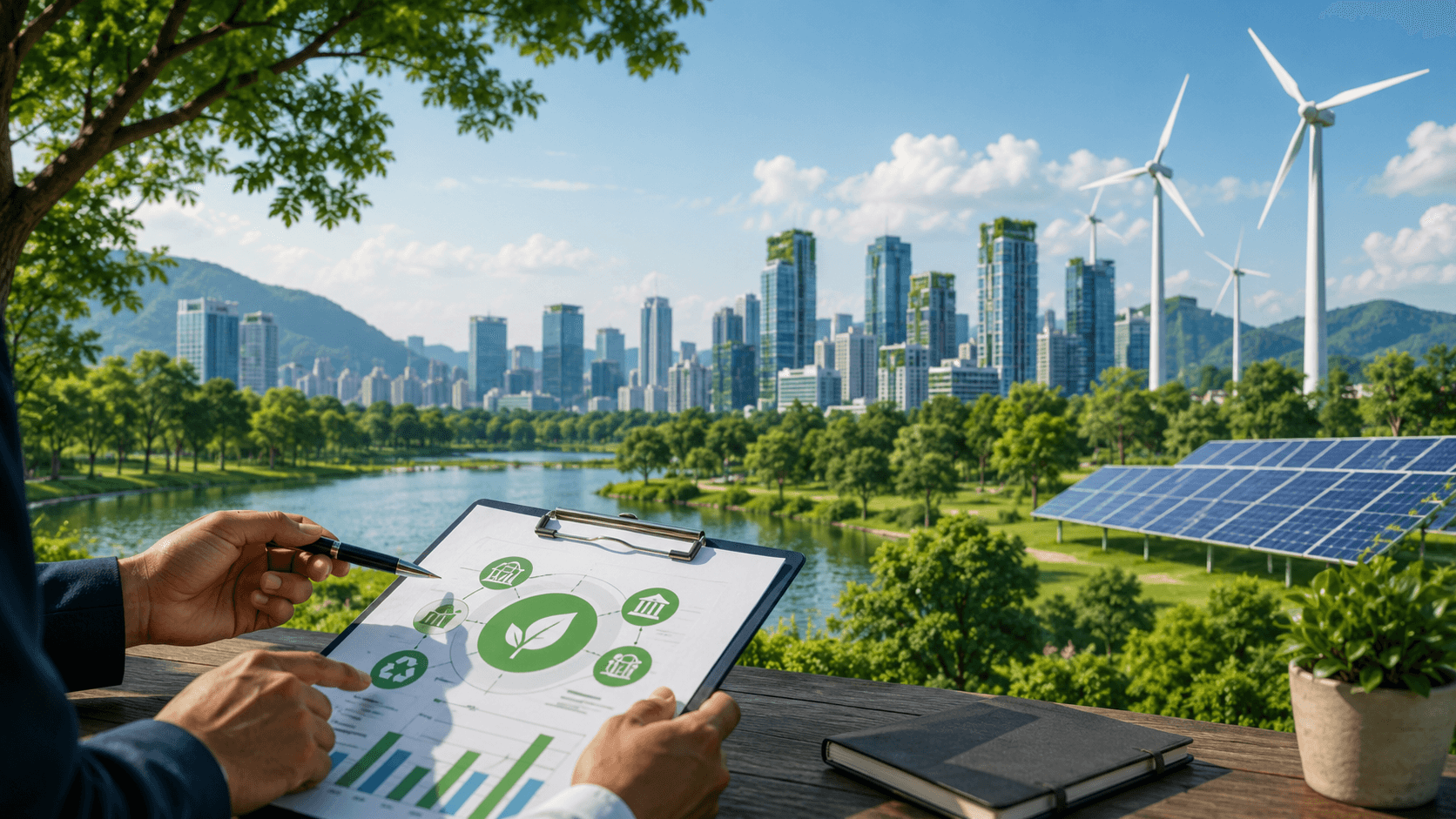
Environmental issues affect almost every part of our daily lives, from the air we breathe to the food we eat and the water we use. As climate change, pollution, deforestation, and poor waste management continue to grow, it has become clear that individual action alone is not enough. People can recycle, save water, and use less plastic, but real long-term change requires strong environmental policies.
Environmental policy is the set of rules, plans, and actions created to protect nature and reduce harm to the planet. These policies can come from governments, organizations, schools, businesses, or communities. They help guide how people use natural resources, manage waste, protect forests, control pollution, and respond to climate risks.
Good environmental policy creates a balance between development and protection. Countries need roads, buildings, industries, farms, and energy systems to grow. However, growth should not come at the cost of destroying ecosystems or putting people’s health at risk. Strong policies make sure development is done responsibly, with proper planning and accountability.
For example, policies that support clean energy can reduce dependence on fuels that pollute the air. Rules on waste disposal can stop plastics and chemicals from ending up in rivers and lakes. Urban planning policies can help cities create more green spaces, improve drainage, and reduce flooding. Agricultural policies can encourage farmers to protect soil, use water wisely, and reduce harmful chemicals.
Businesses also have an important role to play. Environmental policies can push companies to operate more responsibly by reducing emissions, improving packaging, recycling materials, and reporting their environmental impact. When companies follow clear standards, they not only protect the environment but also build trust with customers and communities.
Public participation is also important. Policies work better when communities understand them and are involved in shaping them. People are more likely to support environmental rules when they see how those rules protect their health, homes, jobs, and future. Education, awareness campaigns, and open communication can help turn policy into real action.
Another key part of environmental policy is enforcement. A good policy is only useful if it is followed. Governments and institutions need proper monitoring systems, fair penalties, and clear responsibilities. Without enforcement, environmental rules can remain on paper while pollution and destruction continue.
The future depends on the choices being made today. Environmental policy gives society a clear path toward cleaner cities, healthier communities, and more sustainable economies. It helps ensure that natural resources are not only used for today’s needs, but also protected for future generations.
Protecting the environment is not just a responsibility for environmental experts. It is a shared duty that requires leaders, businesses, communities, and individuals to work together. With strong policies and consistent action, we can build a future where progress and environmental care move side by side.